

The Ultimate Guide to Choosing the Right Interlocking Pavers for Your Driveway
When it comes to enhancing the curb appeal and durability of your driveway, few materials offer the versatility, strength, and beauty of interlocking pavers. Interlocking pavers are a popular choice for homeowners looking for a customizable and long-lasting solution for their driveways. They come in a variety of shapes, colors, and materials, allowing you to create a unique and functional design that complements your home’s style. But with so many options to choose from, how do you decide which interlocking pavers are right for your driveway?
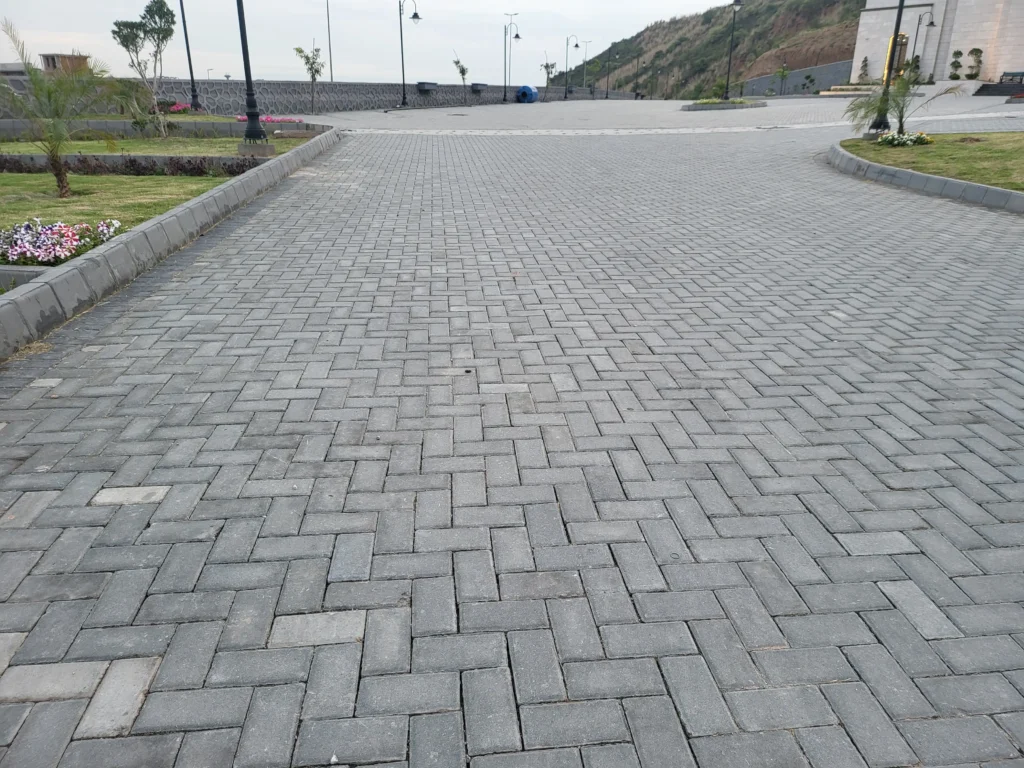
In this ultimate guide, we’ll walk you through everything you need to know to select the best interlocking pavers for your driveway, from choosing the right material to understanding design patterns and maintenance needs.
1. Why Choose Interlocking Pavers for Your Driveway?
Before we dive into the details of choosing the right interlocking pavers, let’s first explore why this material is so popular for driveways.
- Durability: Interlocking pavers are built to withstand heavy loads, making them ideal for driveways pavers. They are resistant to cracking, chipping, and fading, even under the weight of cars and exposure to weather elements.
- Aesthetic Appeal: Pavers offer a wide variety of colors, shapes, and textures, giving you the ability to create a driveway that complements the style of your home. From traditional to contemporary designs, interlocking pavers can suit any aesthetic.
- Low Maintenance: Unlike asphalt or concrete, interlocking pavers are easier to maintain. If a paver gets damaged, it can be replaced individually without having to redo the entire driveway.
- Eco-Friendly: The gaps between pavers allow water to drain naturally, reducing water runoff and promoting groundwater replenishment. This makes interlocking pavers an environmentally friendly option.
2. Selecting the Right Material for Your Driveway
The first step in choosing the right interlocking pavers for your driveway is selecting the right material. Different materials offer varying levels of durability, aesthetics, and price. Here are some of the most popular options:
Concrete Pavers
Concrete pavers are one of the most commonly used materials for driveways due to their affordability, versatility, and strength. They come in various colors and shapes, and you can even opt for stamped or textured concrete to mimic natural stone.
- Pros: Cost-effective, customizable, easy to install, low maintenance.
- Cons: Can stain if not sealed regularly, may fade over time without proper care.
Natural Stone Pavers
Natural stone pavers, such as flagstone, granite, or slate, offer a timeless and elegant appearance. These pavers are incredibly durable and can withstand the weight of vehicles without cracking or shifting.
- Pros: Luxurious appearance, extremely durable, low maintenance.
- Cons: Higher cost, more complex installation, limited color options.
Clay Pavers
Clay pavers offer a more traditional, rustic look and are known for their warm, natural color tones. They are durable, but because they are made from clay, they can sometimes be more prone to chipping under heavy loads.
- Pros: Classic appeal, durable, resistant to fading.
- Cons: More expensive, may require sealing to prevent stains.
Recycled Pavers
For homeowners who are looking for an eco-friendly option, recycled pavers made from reclaimed materials are a great choice. These pavers are durable, sustainable, and can offer a unique, textured appearance.
- Pros: Environmentally friendly, unique appearance, durable.
- Cons: Limited color and design options.
3. Choosing the Right Paver Shape and Size
Interlocking pavers come in a variety of shapes and sizes, and the shape you choose can have a significant impact on the overall look and functionality of your driveway. The most common paver shapes include squares, rectangles, and octagons, but you can also find more intricate designs.
- Square and Rectangular Pavers: These are the most popular choices for driveways due to their simplicity and ease of installation. They can be arranged in a variety of patterns, including herringbone, running bond, or basket weave.
- Large Pavers: Larger pavers are ideal for homeowners looking for a sleek, modern look. They create fewer joints, resulting in a cleaner, more contemporary design.
- Small Pavers: Small pavers can be arranged in intricate patterns to create a more textured, detailed look. However, keep in mind that smaller pavers may require more maintenance, as weeds can sometimes grow between the joints.
4. Design Patterns for Your Driveway
The pattern in which you lay your pavers can significantly affect the overall aesthetic of your driveway. Here are some popular paver patterns to consider:
- Herringbone: A classic design where the pavers are laid at a 45-degree angle in a zigzag pattern. This pattern is highly durable and great for driveways because it locks the pavers in place.
- Running Bond: A simple and timeless pattern where pavers are laid in straight rows, with each row offset by half the length of the pavers. This pattern is easy to install and creates a clean, streamlined look.
- Basket Weave: A more intricate pattern where pavers are arranged in pairs, forming a woven design. This style works well for traditional or rustic homes.
- Circular or Fan Patterns: For a more unique and custom look, circular or fan patterns can be used to create stunning designs, especially at the entrance of your driveway.
5. Consider Your Driveway’s Load and Traffic
When choosing interlocking pavers for your driveway, it’s important to consider the amount of traffic your driveway will endure. For high-traffic driveways or driveways that will bear heavy vehicles, opt for thicker, more durable pavers that can withstand the weight.
- Heavy-Duty Pavers: If you have large vehicles or expect heavy use, choose pavers designed for high-load applications. These pavers are thicker and reinforced to handle the pressure.
- Standard Pavers: For lighter vehicles and standard use, regular interlocking pavers will suffice. Just ensure that they are properly installed with adequate base preparation to prevent shifting.
6. Maintenance and Care
Interlocking pavers require minimal maintenance compared to other driveway materials, but some care is necessary to keep them looking their best.
- Sealing: Sealing your pavers can help protect them from stains, weather damage, and fading. It’s especially important for concrete and clay pavers.
- Cleaning: Regular sweeping and occasional washing will help maintain the appearance of your pavers. Pressure washing can remove dirt and debris from between the joints.
- Repairing: One of the biggest advantages of interlocking pavers is the ability to replace individual pieces if they become damaged.
Conclusion
Choosing the right interlocking pavers for your driveway is an important decision that will affect the aesthetic appeal, functionality, and durability of your outdoor space. By considering factors such as material, shape, size, pattern, and maintenance, you can create a driveway that not only enhances the look of your home but also withstands the test of time.
At Belman Pavers, we specialize in providing high-quality interlocking pavers and expert installation services to help you design the perfect driveway. Contact us today to get started on creating the driveway of your dreams!


